
Gold B Facts
Gold vs Bitcoin
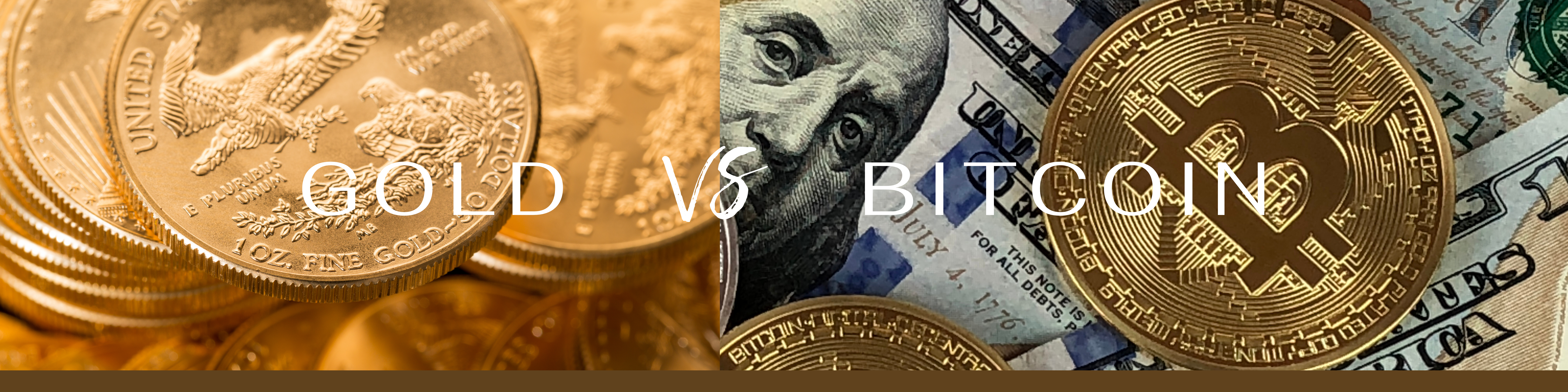
When comparing gold vs bitcoin, consider if you are uncomfortable buying, holding, or selling bitcoin directly, you can purchase it through an ETF (Exchange-traded fund) just like you can gold.
Using your current stock trading platform to buy bitcoin, you are buying the performance of futures contracts rather than the asset itself. This does not matter to a lot of people because they focus instead on how easy it is to buy bitcoin in a self-directed IRA.
A common mistake is thinking that since bitcoin is easy to buy as an exchange-traded fund within your trading platform, it is easy to mistake it as a hedge in your portfolio.
.
Gold vs Bitcoin:
Bitcoin is not backed by real assets or tangible securities.
Gold, however, has been a safe haven for wealth for over 500 years and is nature’s hard asset. It is considered by business owners as one of the best investments, maintaining its value even during economic downturns and inflation. The price of gold tracks typically in opposition to economic swings and the stock market.
Bitcoin is very volatile and if purchasing on an investment platform, you may be required to change your trading status to ‘aggressive’ before making any purchases of cryptocurrencies.
Gold is a haven in periods of inflation and economic uncertainty since it retains its value better than the currency-supported assets, which drop in value and climb in price.
A clear view of the difference between gold and bitcoin is compared in this statement:
“Buying gold is investing, Buying bitcoin is gambling”
Whether you prefer the safety of Gold Investing or the aspirational excitement of Bitcoin Gambling, there is an option for you!
.
Bottom line
A Bitcoin Exchange-traded fund mimics the price of the most popular digital currency in the world. This allows investors to buy into the ETF without going through the complicated process of trading bitcoin itself. Discover the options in your own Investment in Cryptocurrencies, Tax-Free, with “The World’s Most Secure Digital Currency IRA“

If you enjoyed this post, go here now to enter your e-mail for your free Gold Buying Facts .pdf.
Gold Glossary
 Back to Top
Get your free .pdf copy of this Gold Buying Facts Glossary
A B C D E F G H I J K L M N O P Q R S T U V W X Y Z
ACID TEST: A means of determining the fineness of gold through the use of nitric acid and aqua regia.
ACTUAL GOLD CONTENT: The amount of gold that exists in an object when all the alloys have been subtracted.
AG: The chemical symbol for silver.
ALLOY: A mixture of two or more metals. Metals such as silver, nickel, copper, and zinc are frequently mixed with gold to improve their hardness and/or change their color.
AMERICAN EAGLES: Products of the U.S. Mint, and since their debut in 1986 have become this country’s most popular gold bullion coin. Struck in a traditional coinage alloy of 91.7% pure gold (22 karats), each size contains a full measure of pure gold, plus additional silver and copper as an alloy.
ARBITRAGE: Simultaneously buying and selling a commodity in different markets to take advantage of price differentials.
ASK: the price at which a dealer offers to sell.
ASSAY: An analysis of metal used to determine its purity. A series of assays can be run to determine the alloys in the metal as well.
AU: The chemical symbol for gold is derived from “aurum”, the Latin word for gold.
AUSTRALIAN DRAGON: Each coin comes individually encapsulated in a square plastic case. Australia’s Lunar Calendar series began in 1997 as a ‘premium’ priced .9999 bullion coin.
AUSTRALIAN KANGAROO: Australia’s gold Nuggets (now Kangaroos) was introduced in 1986 as a .9999 fine bullion coin. Each year the design is changed, since 1989 with various portraits of kangaroos. Coins come individually encapsulated in a square
plastic case.
AUSTRIAN PHILHARMONIC: Austria’s .9999 gold Philharmonics came out in 1990, and quickly became Europe’s most popular gold bullion coin. They picture the Weimar Philharmonic building on the obverse, with musical instruments on the reverse.
AVOIRDUPOIS: The system of weights and measures commonly used in the U.S. and Great Britain in which 16 oz. = 1 pound. It is used for most solid objects except precious metals and gems. One avoirdupois ounce equals 28.35 grams or 437.50 grains.
B
BACKWARDATION: A situation in which prices for future deliveries are lower than the spot price
BASE METAL: Also known as pot metal is a mixture of non-precious metals. It is frequently used as a base for gold-filled, gold plated or rolled gold plate coverings.
BEAR MARKET: Describes investment markets such as stock markets or metals markets in which prices are, or are soon expected to be, in decline. The opposite of a bear market is a bull market.
BID: the price at which a dealer is willing to buy.
BLANK PLANCHET: A plain metal disc made for coinage that has not yet been struck with an obverse, reverse or edge design.
BRITISH SOVEREIGN: British gold Sovereigns were struck worldwide at the height of the British Empire. Each is 91.7% pure (22k) and contains .2354 troy ounces of pure gold. The condition of these pre-1928 coins we offer is Extra Fine to Almost Mint.
BU: Brilliant uncirculated, used to describe a coin in new condition.
BULL MARKET: Describes investment markets such as stock markets or metals markets in which prices are, or are soon expected to be, on the rise. The opposite of a bull market is a bear market.
BULLION COIN: Precious metal in the form of a coin that trades at a price close to spot. In other words, it has little or no numismatic value.
BULLION: Gold which is 995 fine or better. The term has also come to be used to describe 1. gold coins which closely follow spot gold and have little or no numismatic value (such as restrikes) and 2. the form in which metal is shaped such as bars, ingots or wafers. The most commonly traded gold bullion pieces among individual investors in the United States weigh 10 oz. or less.
BUSINESS STRIKE: The strike used by the mint to manufacture coins for everyday use. This differs from a proof strike.
BUST: The head, neck, shoulders, and upper chest of an image are generally found on the obverse (front) of a coin.
Back to Top
C
CANADIAN MAPLE LEAFS: Modern bullion coins by the Royal Canadian Mint. Canada’s gold Maple Leafs are from the Royal Canadian Mint and were the first .999 pure gold bullion coin (as opposed to a bar or ingot ) when released in 1979. Today, they are struck to an even finer purity of .9999 (“four nines,” or 99.99% pure gold).
CARAT: (with a “c”) A measurement of weight that is generally used in reference to gems. It is equal to about 3.086 grains Troy or 0.2 grams. It is not to be confused with KARAT (with a “k”) which is a measurement of the fineness of gold.
CASH MARKET: A market in which delivery and payment have to be made within two working days of the transaction date.
CHINESE PANDA: China’s Panda gold coins began in 1982 as the first ‘premium’ priced .999 bullion coin, featuring a different panda portrait each year. They became hugely popular as collectibles by the late 1980s. Each coin is individually sealed in a vinyl pouch at the China Mint.
CENTENARIO: See Mexican Peso
CENTRAL DEVICE: The main design is found on either side of a coin.
COIN OF THE REALM: A legal tender coin issued by a government, meant for general circulation.
COIN: A stamped piece of metal of a known weight and fineness issued for commerce.
COMEX: One of the world’s major commodities futures exchanges where gold and silver are traded. The Comex is in New York City and is a division of the New York Mercantile Exchange.
COMMEMORATIVES: Legal tender coins or medallions usually minted of gold or silver to commemorate themes, events, places, or people.
CORONET: A small crown or tiara worn by Liberty in some of the early U.S. coins.
CU: The metallurgical symbol for copper.
CUSTODIAN: A self-directed IRA custodian is a financial institution that holds your IRA’s alternative investments for safekeeping. It is regulated, audited, and adheres to IRS rules and guidelines.
D
DEVICE: A design found on a coin. Frequently it is the bust or profile of a person who symbolizes a particular country at a particular time in history or a country’s coat of arms or insignia.
DIE: An engraved metal object used to strike or stamp the design on a coin.
DOUBLE EAGLES: the U.S. $20 gold coins were used as legal tender 1850 –1933. Double Eagles contain .9675 oz. of pure gold. Early $20 coins had the portrait of Miss Liberty’s profile on the obverse. From 1908-1933 they had Augustus St. Gaudens’ standing Liberty design. This design was appropriated, with modifications, for the various sizes of the modern gold Eagle bullion coins.
DRAGON: Australia’s Dragons. The current (year 2012) version is the “Year of the Dragon.” Each coin comes individually encapsulated in a square plastic case. Australia’s Lunar Calendar series began in 1997 as a ‘premium’ priced .9999 bullion coin.
E
EAGLE: U. S. $10 face value gold coins used as legal tender 1795-1933. They contain .4837 ounces of pure gold ALSO: the generic term for the modern bullion coins issued by the U. S. Mint since 1986.
EDGE: The side of a coin that may be reeded, lettered, or plain.
F
FACE VALUE: The legal monetary value stamped on a coin. See symbolic face value.
FIAT MONEY: Paper money is made legal tender by law, although not backed by gold or silver.
FIELD: The open area or background on a coin.
FINE GOLD: Pure, 24 karats, 999 fine gold.
FINE WEIGHT: The metallic weight of a coin, ingot, or bar, as opposed to the item’s gross weight which includes the weight of the alloying metal. For example, a 1-oz Gold Eagle has a fine weight of one troy ounce but a gross weight of 1.0909 troy ounces.
FINENESS: The purity of a precious metal measured in 1,000 parts of an alloy: a gold bar of .995 fineness contains 995 parts gold and 5 parts of another metal. For example, the American Gold Eagle is .9167 fine, which means it is 91.67% gold. A Canadian Maple Leaf has a fineness of .999, meaning that it is 99.9% pure.
FOOL’S GOLD: Iron pyrite is often mistaken by novices for gold. Although its color resembles gold, its properties are very different from gold. It is hard and brittle while gold is soft and malleable.
FORWARD TRANSACTION: Purchase or sale for delivery and payment at an agreed date in the future; similar to a futures contract, except that forward transactions are not subject to the standardized procedures and regulations of a commodities futures exchange.
FRENCH FRANC: French 20-franc gold “Roosters” were struck from 1899 to 1916, and each is 91.7% pure (22 karat) pure and contains .1867 troy ounces of pure gold. These coins we offer are almost Mint to fully Mint Condition.
FUTURES CONTRACT: An agreement made on an organized exchange to take or make delivery of a specific commodity or financial instrument at a set date in the future.
Back to Top
G
GOLD COLOR: Variations in the alloys used with gold create different colors of gold such as yellow, green, red, and white. The most common alloys used with gold are silver, copper, zinc, and nickel. Silver and zinc tend to give gold a greenish hue, copper a reddish cast, and nickel a white color.
GOLD EAGLES: Modern gold bullion coins. American gold Eagles are products of the U.S. Mint, and since their debut in 1986 have become this country’s most popular gold bullion coin. Struck in a traditional coinage alloy of 91.7% pure gold (22 karats), each size contains a full measure of pure gold, plus additional silver and copper as an alloy.
GOLD ELECTROPLATE: Process by which 24 karat gold is deposited on another metal electrolytically. The plating must be at least seven-millionths of an inch thick.
GOLD FLASHED: A gold coating that is less than seven millionths of an inch thick. It is sometimes called gold washed.
GOLD NUGGET: Placer gold which has been washed out of the rocks generally into river beds where it has been beaten by the water and rocks into a “nugget” shape.
GOLD PLATE: A common term for electro-gold plating.
GOLD STANDARD: A monetary system based on convertibility into gold; paper money backed and interchangeable with gold.
GOLD: A precious yellow metallic element that is resistant to oxidation and is highly ductile and malleable. In the United States, a metal must be 10 Karat gold or more to be called gold.
GOLD-FILLED (GF): A process by which a layer of at least 10 kt. gold has been mechanically bonded to another metal (usually a base metal). This layer usually constitutes AT LEAST 1/20th of the total weight of the metal in the piece. Items are marked G.F. preceded by the karat fineness of the veneer. For example, if a bracelet is marked 1/20 10 kt. G.F. and weighs one Troy ounce it is possible to determine the pure gold content by performing the following calculation. Pure gold content = 1/20
GOOD DELIVERY: The specification that a bar of precious metal must meet in order to be acceptable for delivery at a particular exchange.
GRAIN: The earliest known unit of weight and was originally one grain of wheat or barley. It is equal to 0.0648 grams Troy and 24 grains are equivalent to one pennyweight. There are 480 grains in a Troy ounce, and 437.5 grains in an Avoirdupois ounce.
GRAM: The basic unit of weight of the metric system A metric unit of mass and weight. A gram equals approximately 1/32 Troy oz. and is used in Troy weight as a measure of gold. (31.1035 grams = one troy ounce.)
H
HALF EAGLE: U. S. $5 face value gold coins used as legal tender, and issued from 1795-1929. They contain .24187 ounces of pure gold and were almost identical in size to the nickel 5c coin.
HALLMARK: Mark or stamp on a bullion item that identifies the producer.
HEDGE: An offsetting transaction (e.g. the purchase or sale of a future contract or option) designed to lessen the impact of adverse movements in the value of assets.
I
INTRINSIC VALUE: The value of a coin’s metal content.
INVERTED MARKET: A situation in which prices for future deliveries are lower than the spot price. Also known as backwardation.
K
KARAT: (with a “k”) A measure of gold fineness or purity. Pure gold is considered to be 24 karats. For this reason, the actual gold content of any object is the percentage relationship of its purity to 24. For example, 18 karat gold is 18kt/24kt or 75% pure gold or 750 fine.
KARAT GOLD: Gold (10 karats or better) used in the manufacture of jewelry. According to U.S. law, the metal must be at least 10 karats or it cannot be called gold.
KILO BAR: A bar weighing one kilogram (32.1507 troy ounces).
KILOGRAM: 1,000 grams (32.1507 troy ounces).
KOALA: Australian platinum coin, minted since 1987, .995 fine.
KRUGERRAND: South African gold coin Gold Krugerrands from South Africa were introduced in 1967 and dominated the gold bullion market in the U.S. from 1974 through the early 1980s. They are struck in 22 karat gold (91.7% pure), each coin containing a full measure of pure gold, plus additional copper as an alloy.
Back to Top
L
LEGAL TENDER: Currency in specified denominations which a creditor is compelled by law to accept as payment of a debt.
LEGEND: The inscription on a coin.
LIQUIDITY: The quality of being readily convertible into cash.
LONDON FIX: Two daily bidding sessions in London of five major gold firms, at which the price of gold is “fixed” or set.
LUSTER: A frosty appearance on the surface of a coin, usually an un-circulated coin.
M
MAPLE LEAFS: Modern gold, silver, and platinum coins minted by the Royal Canadian Mint. Canada’s gold Maple Leafs are from the Royal Canadian Mint and were the first .999 pure gold bullion coin (as opposed to a bar or ingot ) when released in 1979. Today, they are struck to an even finer purity of .9999 (“four nines,” or 99.99% pure gold).
MARKET VALUE: The price at which a coin or bullion item trades.
MEDALLION: A round piece of metal resembling a coin but not a “coin of the realm.” A medallion may be issued by a government or private mint. The Engelhard 1-oz silver prospector is a privately minted medallion.
METRIC TON: 1,000 kilograms or 32,151 troy ounces.
MEXICAN 50 PESO: Gold coin was first issued in 1921 to celebrate the 100th anniversary of Mexico’s independence. The Mexican 50 Pesos in the bullion coin market normally are restrikes, minted from 1943 onward. Weight: 1.2057 troy ounces, .900 fine.
MINT: The place where a coin or bar was manufactured.
MINT MARK: A letter or symbol stamped on a coin to identify the minting facility where it was struck.
MINT STATE: Describes a coin in uncirculated condition.
MODERN ISSUES: Current coins, whether struck for circulation or for sale to investors or collectors.
MS-60: The lowest grade of Mint State coins. Higher-grade coins are labeled MS-61 up to MS-70. Coins showing wear are graded below MS-60 and fall into grades from AU down to G, with G being a coin showing great wear and AU being a coin showing little wear.
N
NOBLE: Modern platinum bullion coin issued by the Isle of Man since 1983.
NOMINAL FACE VALUE: Nominal value given to legal tender coins sold for their metal content. Example: the 1-oz Gold Eagle carries a $50 face value but sells for the value of its gold content plus a premium of 5% to 8%.
NUGGET: Modern gold bullion coin minted by Australia, .9999 fine.
NUMISMATIC COINS: Coins whose prices depend more on their rarity, condition, dates, and mint marks than on their gold or silver content.
NUMISMATICS: The study of coins, currency, and medallic art.
NUMISMATIST: Coin collector.
NYMEX: The New York Mercantile Exchange, a futures exchange where platinum and palladium are traded.
O
OBVERSE: The front of a coin. The device on the obverse usually consists of the image of one or more people.
OUNCE: A unit of weight. In the precious metals industry, an ounce means a troy ounce equal to 31.1035 grams.
Back to Top
P
PANDA: China’s Panda gold coins began in 1982 as the first ‘premium’ priced .999 bullion coin, featuring a different panda portrait each year. They became hugely popular as collectibles by the late 1980’s. Each coin is individually sealed in a vinyl pouch at the China Mint.
PENNYWEIGHT: Equals 24 grains or 1/20 of a Troy ounce.
PLANCHET: A blank piece of metal used for stamping a coin or medallion.
PHILHARMONIC: Austria’s .9999 gold Philharmonics came out in 1990, and quickly became Europe’s most popular gold bullion coin. They picture the Weimar Philharmonic building on the obverse, with musical instruments on the reverse.
PLATINUM EAGLES: Modern platinum bullion coins minted by the U.S. Treasury.
PREMIUM: The additional cost of gold coin or bullion over and above the spot gold price. The premium includes the costs of fabrication, distribution, and a minimal dealer fee. The average premium of a bullion piece at this time is 5% to 15% above spot gold. Rare coins carry an additional premium called numismatic value which is based on scarcity, quality, demand, and intangible factors.
PROOF: Refers to the manner in which a coin was minted NOT to its condition. Highly polished dies and special plainchants are used to produce coins with a mirror-like finish. A proof strike is very different from a business strike and proof coins are generally made for collectors, not for normal use.
Q
QUARTER EAGLE: U. S. $ 2 ½ face value gold coins, issued as legal tender 1795- 1929. These dime-size coins contain .121 ounces of pure gold.
R
RESTRIKE: Officially issued reproduction of a former circulating coin.
RESTRIKES: Are “new” coins made from “old” dies which is why they are referred to as “new mintings”. Restrikes generally have the same specifications as the original coins of which they are copies – this includes the same dates, composition, and dimensions. Restrike coins are officially produced by a government mint and they are usually not legal tender. Government mints pick one date as the “restrike date” for a particular coin. For instance, the restrike date for the Austrian 100 Corona is 1915. Restrikes are considered bullion coins because such a large number were made that they have no numismatic value. In fact, the original coins made from the dies used for restrikes have no numismatic value because there is no way to tell them from the copies.
REVERSE: The back of a coin. The device on the reverse of a coin usually consists of a country’s coat of arms or an insignia.
ROLLED GOLD PLATE (RGP): Jewelry which consists of LESS than 1/20 of 10 karats to 14 karat gold by weight. For example, an RGP bracelet weighing 1 Troy oz. might be rolled gold plated.
Back to Top
S
SHORT SALE: The sale of an asset for future delivery without possession of the asset sold.
SILVER EAGLES: Modern 1-oz silver bullion coins.
SLABBED COINS: Coins encapsulated in plastic for protection against wear. Generally, “slabbed” coins are graded by one of the two major grading services.
SOLID GOLD: The Federal Trade Commission rules state that the term “solid gold” can be applied to items that are not hollow and contain at least 10 kt. or finer gold.
SOUTH AFRICAN KRUGERRAND: Gold Krugerrands from South Africa was introduced in 1967, and dominated the gold bullion market in the U.S. from 1974 through the early 1980s. They are struck in 22 karat gold (91.7% pure), each coin containing a full measure of pure gold, plus additional copper as an alloy.
SOVEREIGN: English gold coin with a face value of one pound sterling and gold content of .2354 ounces. British gold Sovereigns were struck worldwide at the height of the British Empire. Each is 91.7% pure (22k) and contains a .2354 troy ounce of pure gold. The condition of these pre-1928 coins we offer is Extra Fine to Almost Mint.
SPOT GOLD PRICE: The constantly fluctuating price of gold in unfabricated form. The closing spot price varies with markets located in numerous cities and countries throughout the world. It is recommended that one follow the spot gold close from one particular source in order to consistently gauge the fluctuations in the world markets. Commonly quoted gold markets include New York City, Chicago, Handy and Harmon, Engelhard, Republic National Bank, London, Zurich, Paris, Frankfurt, and Hong Kong. Note that when buying gold in the United States, the price will generally be based on the prices in New York or Chicago.
SPOT MARKET: A market in which delivery and payment have to be made within two working days of the transaction date.
SPOT: The price for the physical delivery of bullion bars, usually 100-oz bars of gold or platinum and 1,000-oz bars of silver.
SPREAD: The difference between the buying price and the selling price of an object at the same time on the same day by the same person. If gold is purchased at $400.00 per ounce and sold at $390.00, the spread is $10.00.
SYMBOLIC FACE VALUE: Nominal value given to legal tender coins sold for their metal content. Example: the 1-oz Gold Eagle carries a $50 face value but sells for the value of its gold content plus a premium of 5% to 8%.
T
TROY OUNCE: A measure of weight. A Troy ounce is different from the ounce most Americans are accustomed to (the Avoirdupois ounce). There are 12 Troy ounces in a Troy pound, and one Troy ounce is equivalent to 1.333 Avoirdupois ounces. So, if you buy one pound or twelve Troy ounces of gold, don’t expect it to weigh in at one pound on your bathroom scale, because it won’t. One troy ounce equals 31.1035 grams or 480 grains. One troy ounce equals 1.09711 avoirdupois ounce.
U
UNCIRCULATED: A coin in new condition, sometimes said to be “Brilliant Uncirculated or BU The term is often used interchangeably with Mint State
V
VERMEIL: Gold plating on another metal – usually silver.
Back to Top
gold glossary gold glossary gold glossary gold glossary gold glossary gold glossary gold glossary gold glossary gold glossary gold glossary gold glossary gold glossary
Get your free .pdf of this Gold Buying Facts Glossary
If you enjoyed this post, go here now to enter your e-mail for your free Gold Buying Facts .pdf and weekly updates.
Gold Coins or Gold Rounds
.
Gold Coins or Gold Rounds?
.
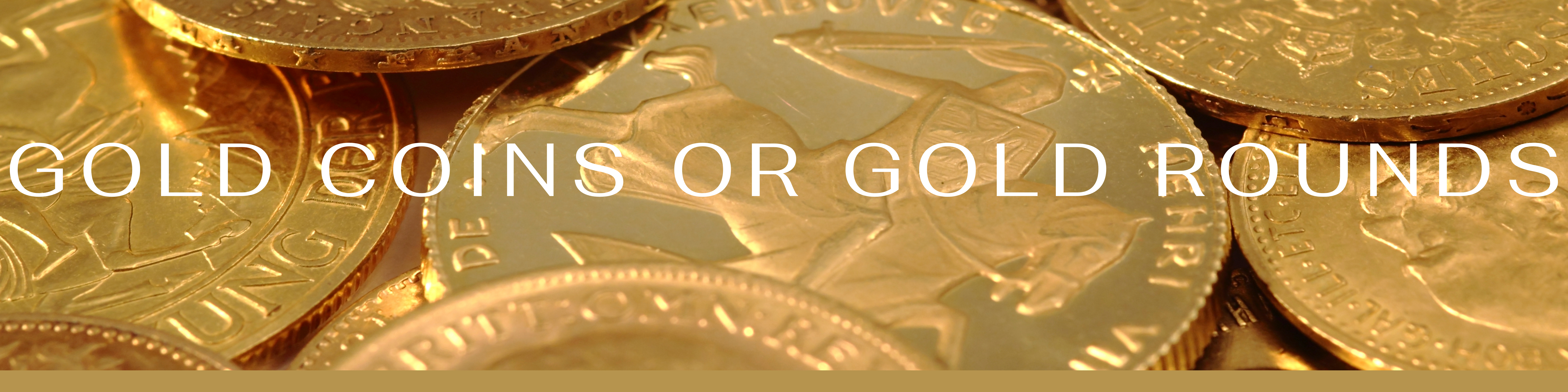
Gold Coins are minted by a sovereign government, are legal tender, and have a face value in addition to a melt value.
Gold Rounds are minted by private mints, have no face value, and generally have only melt value.
Since only a governing authority can extend monetary value, or face value, to a coin—not a private mint or company—rounds cannot be a form of legal tender.
Gold Coins are minted in a range of sizes—primarily 1/10 oz., 1/4 oz., 1/2 oz., and 1 oz. weights.
.
Gold Rounds can also be produced in a variety of sizes and weights, with one big exception: No round can have the same specifications as a government-issued coin. A round can never have the same diameter, thickness, and mass as a legal tender coin. This helps prevent counterfeiting and makes it harder to defraud coin-operated technologies. It can also lead to some unexpected weights, like 1/20-ounce, 2-ounce, 5-ounce, and 10-ounce rounds.
.
When you are deciding to buy gold coins or gold rounds consider:
> Gold Coins are recommended for The Investor.
> Gold Rounds are recommended for The Collector.
.
Bottom line
There’s a risk associated with buying a gold round that you simply won’t find with a government-issued, legal tender gold coin. Regardless of its fancy design, will it retain its market value? It might. It might not. If you buy this round at a premium because of its design, you could end up losing with only melt value.
If you enjoyed this post, go here now to enter your e-mail and get your free Gold Buying Facts .pdf.
Digital Currency IRA

A Digital Currency IRA on Steroids!
.
There are Digital Currency Options For Your IRA.
.
Bitcoin might not be an ideal investment for retirement, given its volatile price swings, yet some financial services firms now offer the option of investing in the cryptocurrency through self-directed Individual Retirement Accounts (IRAs).
.
A “Bitcoin IRA,” is essentially an IRA that includes Bitcoin or other digital currencies within its portfolio of holdings.
.
A Bitcoin Exchange-traded fund mimics the price of the most popular digital currency in the world. This allows investors to buy into the ETF without going through the complicated process of trading bitcoin itself.
.
When purchasing Bitcoin, you are buying the performance of futures contracts rather than the asset itself. Bitcoin is not backed by real assets or tangible securities. Buying Bitcoin gives aspirational excitement similar to gambling.
.
If you are interested in cryptocurrencies, you can use them to supercharge your IRA. Some benefits:
-
Offer Tremendous Growth Potential
-
Shelter From Overvalued Stocks
-
Provide Tax-Deferred Growth
.
Digital Currency Options For Your IRA:
-
Bitcoin
-
Ethereum
-
Stellar Lumens
-
Bitcoin Cash
-
Litecoin
-
Ethereum Classic
.
Invest in Cryptocurrencies, Tax-Free with “The World’s Most Secure Digital Currency IRA“
Bottom line
Investors who are inclined to add Bitcoin holdings to their IRAs likely believe that cryptocurrencies will continue to grow in popularity and accessibility into the future. With their long-term outlook, IRAs are an excellent vehicle for investments that hold major potential on the scale of decades. Of course, detractors of cryptocurrencies may argue that Bitcoin and other digital tokens remain unproven at best, or unstable at worst.
.
Gold IRA roll over

.
Investors can roll over a 401K to a self-directed Gold IRA as long as the precious metals meet IRS specifications.
In general, that means Bullion bars and Coins of specified fineness, and Coins from government mints.
.
Gold, Silver, Platinum, and Palladium are the four Precious metals allowed by the IRS.
.
The IRS only allows certain forms of Gold to be held in an IRA as specified in U.S. Code 408 (Individual Retirement Accounts).
.
Some general guidelines on the permitted forms of Gold:
-
Gold coins and bars must be 99.5 percent pure
-
Gold must be sourced from a national government mint or approved refiner
-
Gold coins in one, one-half, one-quarter, and one-tenth ounce sizes are permitted
-
Some non-US Gold coins with 99.5 percent fineness are eligible
.
There are three parties involved in a Gold IRA: the Investor, the Trustee, and the Custodian.
The Investor is you.
The Trustee is the Precious metals, Broker-dealer.
The Custodian is the depository (storage).
.
Like all investments, Gold IRAs have details and characteristics. When planning your 401K rollover to physical Gold, a few points to keep in mind are you will need to designate beneficiaries, representatives, and interested parties for your Gold IRA.
.
After specifying a primary beneficiary and contingent beneficiary (if desired), you will have the opportunity to designate one or more representatives and interested parties.
.
A Representative for the Gold IRA would have full access to the account and the ability to execute transactions at their sole discretion.
.
Designating an Interested Party for your Gold IRA may make sense if you are working with an Investment advisor or Financial planner. By specifying these people as Interested Parties, they will be able to speak on your behalf. An Interested Party does not have the authority to execute transactions in your account.
.
.
The objective is to move retirement funds into Gold without incurring a tax penalty.
Gold IRA Rollover Rules
-
A direct Trustee-to-Trustee rollover simplifies the process of setting up a Gold IRA.
-
You do not personally receive any of your retirement funds so the 60-day Gold IRA rollover rules never apply.
-
The IRA Trustees will typically accomplish the transfer of funds by wire.
-
The IRS allows for one IRA rollover per year in its Gold IRA rollover rules.
.
Simply transfer funds from your existing IRA or 401k into a self-directed IRA account, choose a depository that can provide storage, then buy the physical metals you want. It is all done within IRA guidelines and completely without consequences in terms of taxes or penalties. The fun part is choosing your gold:
-
American Eagle coins
-
U.S. Buffalo Bullion coins
-
Canadian Maple Leaf coins
-
Austrian Philharmonic coins
-
Australian Kangaroo/Nugget coins
-
Credit Suisse – Pamp Suisse Bars
-
Various bars and rounds .995
.
Bottom line
Don’t wait. The time is NOW to prepare for a volatile future. You can rollover into a self-directed Gold IRA. A great rollover company is Regal Assets.
Click here to secure a Gold IRA, hands-free, with an easy rollover process.
.
If you enjoyed this post, go here now to enter your e-mail and get your free Gold Buying Facts .pdf.
Gold IRA
.
Do not leave your retirement to the mercy of governments and banks.
.
Your investment can outperform the stock market with a Gold IRA. The price of gold has risen over 500% since 1999 yet, many analysts believe gold remains undervalued. Gold is ‘value and security’ as the national debt ceiling keeps rising.
.
As the dollar diminishes the price of gold increases and today our government debt is the highest it’s ever been. Gold has been a safe haven for wealth for over 500 years and is nature’s hard asset.
-
Gold is not subject to dilution or devaluations as are other paper assets.
-
Gold’s value isn’t at the mercy of government or financial institutions.
-
Gold historically tends to move counter to the direction of stocks.
-
Over the last decade when the economy was stormy, gold outperformed the stock market.
-
Gold can not be printed like money, therefore, cannot be merged or split.
.
Considering gold as part of your investment portfolio is the best choice for securing your nest egg in the long run.
.
Precious metals are tangible assets unlike ETFs (exchange-traded funds) which are susceptible to the same factors and volatility of the stock market, inflations, company earnings, and corporate fraud.
.
An advantage is the storage is taken care of for you. You do not have to worry about transfer or storage while investing in gold and silver in your self-directed IRA.
.
Don’t wait. The time is now to prepare for a volatile future. You can invest gold in a self-directed IRA.
.
Bottom line
A great way to start is to roll over an existing retirement account. A 401k will not permit you to own precious metals therefore, you would have to roll it over to a self-directed IRA.
If you enjoyed this post, go here now to enter your e-mail and get your free Gold Buying Facts .pdf.
Troy Ounce
.
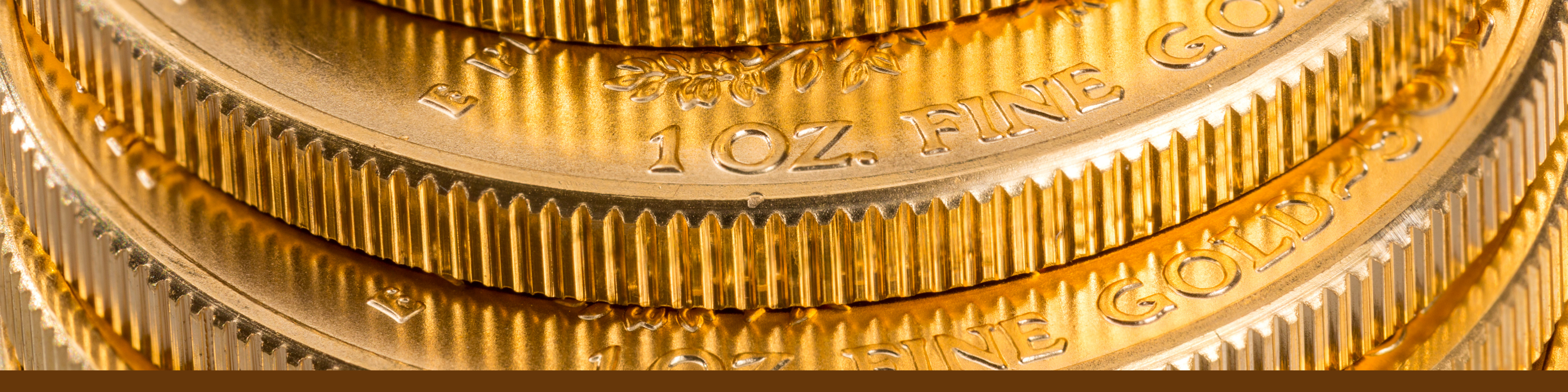
The troy ounce is used in the weighing and pricing of precious metals: gold, platinum, and silver.
.
A troy ounce is not the same as an imperial or avoirdupois ounce.
.
Many Americans are familiar with the avoirdupois ounce, which is used to weigh most items. Understanding that a troy oz is not the same as an ounce is that a troy oz is about 10 percent heavier than an ounce.
.
Be sure to buy your metals from reputable dealers. It’s not uncommon for shady dealers to try to swindle customers by selling an ounce of metal at the current troy oz price, which cheats customers out of money.
.
31.1035 grams
A troy oz contains 31.1035 grams of 24 karats pure gold and is one of the most commonly purchased unit sizes of gold.
.
Conversions
1 kilo = 1,000 grams / 31.1034768 grams per troy oz = 32.1507466 troy oz per kilo
Troy oz price: multiply the per kilogram price by the kg per troy oz figure (0.0311034768) to effect the correct conversion from a per kilogram price to a per troy oz price.
Kilogram price: By the same reasoning a per troy oz price of gold should be divided by kg per troy oz figure (0.0311034768) to effect the correct conversion to a per kilogram price.
.
Origin
Originally coming from the French town of Troyes.
King Henry II of England adopted the troy weight system, which was widely used in Britain’s coinage system in the 1400s. In the early 1500s, troy ounces were accepted as the official standard of measure for gold and silver in Britain, with the U.S. Mint adopting this measurement method in 1828.
.
If you enjoyed this post, go here now to enter your e-mail and get your free Gold Buying Facts .pdf.
Gold Coins
.
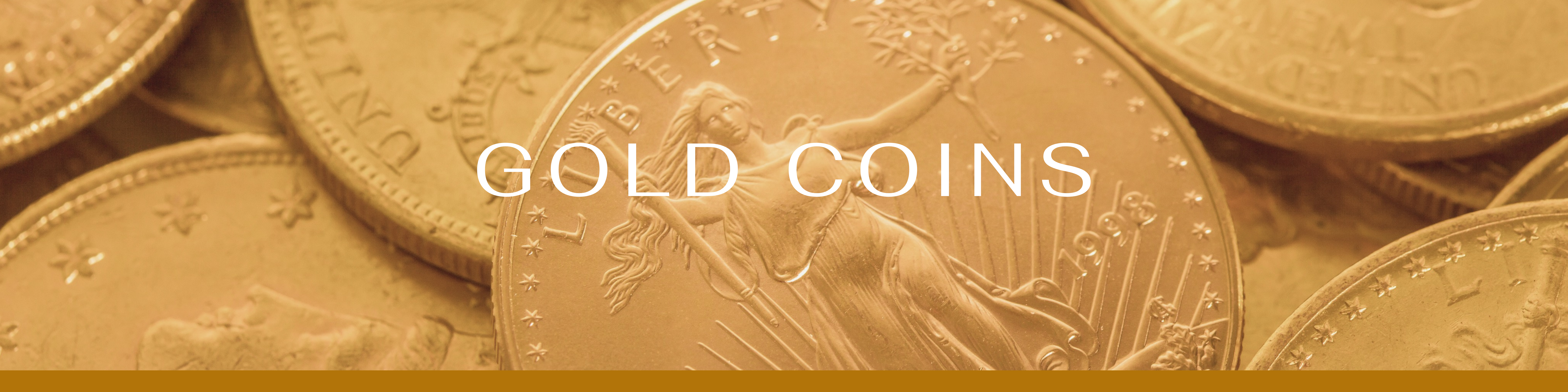
Many people prefer to buy gold in form of coins as they can be bought in lower denominations. Here are 6 key things you must keep in mind when buying gold coins.
.
Purity of gold.
The purity of gold is measured using fineness and karat. Gold purity is measured using karat and the purest form of gold is 24 Karat. Gold purity is determined by its fineness and this can be defined as how precious the metal is in proportion to its total weight.
.
Options to buy from.
There are numerous sources from where you can buy your gold coins, these include banks, online e-tailers, and certain non-banking financial companies. When buying gold make sure you buy from a reputable source and this will avoid any future issues regarding your gold.
.
Packaging.
When buying gold ensure that they are packaged in tamper-proof packaging. This type of packaging guards the gold against damage, fraud, and counterfeiting. Tamper-proof packaging ensures that the gold coins are credible and their purity is retained.
.
Hallmarking.
It is important to check if the gold is hallmarked as this ensures that when people are buying gold they are not cheated. Gold coins are certified by stamping them and this indicates the level of purity of the gold. Hallmarking is done for gold items including artifacts and jewelry that are higher than 14 karats.
.
Ease of selling.
Before you buy gold coins, it is important to know how easy they will be to sell. Factors to consider are: does it have a wide buyer pool, is it recognizable? Buying coins that meet these factors will make it easier to sell should you decide to let go of your precious metal.
.
Denominations.
Gold coins in the market range from 0.5 to 50 grams in weight. Popular sizes include 1 oz, 1/2 oz, 1/4 oz, and 1/10 oz. The availability of the denomination that you want depends on the coin and the amount you wish to spend.
.
If you enjoyed this post, go here now to enter your e-mail and get your free Gold Buying Facts .pdf.
Gold Value

.
Investing in gold has been a valuable business for over one hundred years. Throughout history, gold has been utilized as a symbol of power or wealth and as a currency. It is considered by business owners as one of the best investments, maintaining its value even during economic downturns and inflation.
.
Even when an individual’s confidence is shattered, the prices of gold often rise as nervous business owners, search for a secure option to keep their funds pulling out of the market. Additionally, gold is a haven in periods of inflation and economic uncertainty since it retains its value better than currency-supported assets, which drop in value and climb in price.
.
I like gold because it is a stabilizer; it is an insurance policy ~ Kevin O’Leary
.
Gold buying and investing
.
Investing in gold cannot be compared to buying bonds and stocks.
.
You can own gold by purchasing either gold bullion or gold coins. More specifically, bullion is the bar form of gold with a stamp on its surface. The stamp shows the gold amount in the bar and the level of purity. The bullion or coin value comes from its amazing metal content and its popularity.
.
Demand and supply of gold are one of the main factors which influence the price. Gold is a hedging tool against inflation and therefore the price reacts to inflation numbers.
.
Interest rates have an inverse relationship with gold value and typically, gold price drops when rates rise.
.
Currency fluctuations influence the price of gold because gold is traded in USD in the international market and foreign conversions impact the price.
.
Geopolitical factors causing crisis-like situations impact gold prices positively as gold acts as a safe place for dollars and it outperforms other asset classes.
.
Moreover, you can purchase stock from gold mining corporations, ETFs (exchange-traded funds), and gold futures contracts. If you choose to buy a gold-support ETF, you are buying shares of trusts; possession in gold, but you cannot claim physical gold.
.
Bottom line
Whether gold-related securities or physical metal, buying and investing in gold is a wise choice. If you do not want to buy physical gold, purchasing shares in a self-directed Gold IRA is easy. An advantage is the storage is taken care of for you. You do not have to worry about transfer or storage while investing in gold and silver in your self-directed IRA. Discover your options by clicking here.
If you enjoyed this post, go here now to enter your e-mail for your free Gold Buying Facts .pdf.
Investing in Gold
.
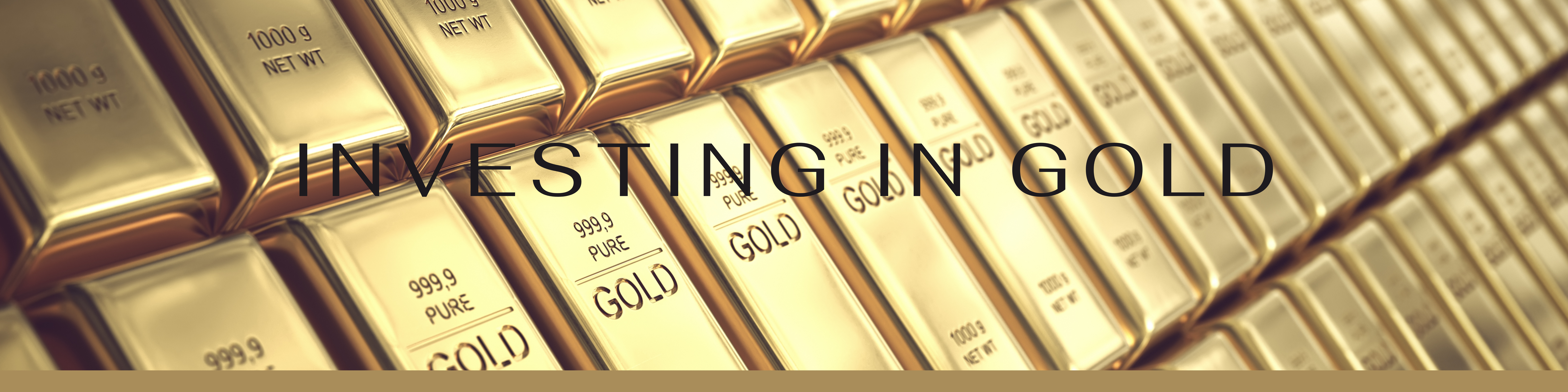
Investors can choose to invest in gold by purchasing stock in gold miners and related corporations, ETF’s (Exchange-traded funds), and purchasing a physical item (bullion). Business owners have multiple similar reasons for investing in this particular metal.
.
Some argue that the metal is a barbaric relic that currently does not hold the monetary qualities of the past. In the current economic atmosphere, paper currency is the only preferred money. Some individuals contend that gold’s only benefit is that its material is utilized in jewelry.
.
Other people argue that gold is an asset that holds an array of intrinsic qualities that make it distinct and essential to boost the investors’ portfolios.
.
Gold in the current economic environment
.
Although gold does not currently support the United States dollar, it is still crucial in today’s economy. More specifically, the balance sheets of various banks and other organizations like the International Monetary fund show an apparent benefit of gold in the current economy. Presently, financial organizations are accountable for holding nearly 1/5 of the globe’s supply of on-the-ground gold. Moreover, numerous central banks have increased their current gold reserves, showing concerns about the long-term world economy.
.
Gold upholds wealth
.
The reasons for the importance of gold in the current economy are based on the fact that it has consistently maintained wealth for decades. However, the same cannot be compared with paper-centered currencies.
.
Gold is a safe and secure haven
.
Gold is becoming increasingly popular in the economic and political environment. Investors normally view gold as a safe and secure haven during periods of economic and political uncertainty. More specifically, when new occasions suggest some kind of global economic and political uncertainty, most investors will purchase gold.
.
Bottom line
There are both benefits and limitations to each type of investment. If you do not want to buy physical gold, purchasing shares in a self-directed Gold IRA is an option. If you trust that gold might be safe to protect you against inflation, investing in gold jewelry or gold coins is a way that you can use to achieve gold-based prosperity.
If you enjoyed this post, go here now to enter your e-mail and get your free Gold Buying Facts .pdf.
Gold Jewelry
.
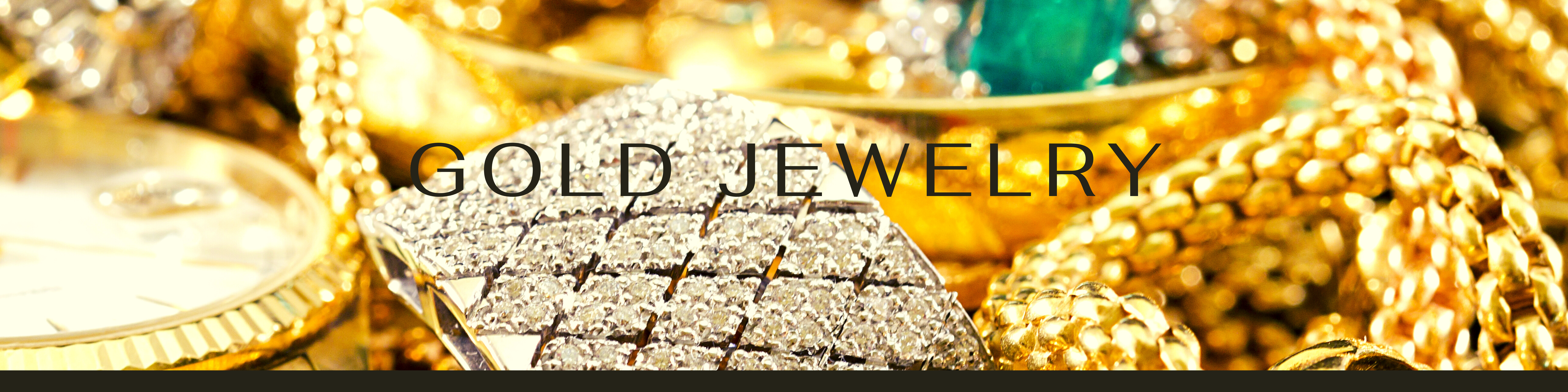
When buying Gold Jewelry you have to consider the Facts:
.
Purity Level
Gold comes in varying purity levels which play a role in determining the cost. The purer it is, with 100% purity being 24k, the more expensive it gets. Being malleable in its pure form means the gold can be alloyed with other metals. So, when looking for alloyed jewelry, you should be aware that the second metal also determines the price range. For instance, 18k gold means it’s 75% pure while 22k gold means it’s 91.6% pure. The purity level should guide you as you look for gold jewelry within your budget.
.
To convert karats into the percentage, you need to divide the karat number by 24 and multiply the result by 100. So, for example, to find out the gold percentage in your 22 karat ring, divide 22 by 24, the result is 0.9166, multiply it with 100, so it equals 91.66 percent – that’s the purity of your gold
.
An example is Rose Gold. Rose Gold is a delicate mixture of classic yellow gold, copper metals, and (sometimes) silver metals. The silver and the copper combine with yellow gold to create the pink hue that we’re familiar with when it comes to rose gold.
.
A reason most gold jewelry isn’t 100% gold is gold by itself is a soft metal. It’s so soft that jewelry made with only gold would bend, dent, and generally, be destroyed by daily wear.
.
Adding stronger metals to the gold allows it to be made into jewelry that won’t be ruined after a few months of wear. Well-made and high-quality gold is durable and beautiful thanks to the specific combination of metals used to make it.
.
The karat should not be confused with a carat (spellings differ worldwide), which is a jewelers’ weight measurement, initially used to describe diamonds.
.
Price per gram
The price range per gram should be explored before purchasing the gold. There is a lot of information online about prices. You can compare the prices from different sources just to be sure. However, the prices may differ depending on the origin of the gold, but most showrooms are likely to have almost the same price.
.
Proper Certification
Genuine gold jewelry needs to be hallmarked. This means that it has certification from the Bureau of Indian Standards. It makes sure that you are able to spot jewelry with the right karats. What you will be looking for? The logo of the BIS, the Purity level in karats, The hallmarking center’s logo, and the identification of the jeweler.
.
Here are a few ways to determine if your jewelry is solid gold or gold plated:
.
1. Initial stamps. Gold plated jewelry is often stamped with initials that reveal its metal composition
.
2. Magnetism. Gold is not magnetic
.
3. Color
.
4. Acid test
.
5. Scratch test
.
Bottom line
There are so many other things to look for, like the weight and color of the jewelry. How heavy do you want it?
If you enjoyed this post, go here now to enter your e-mail and get your free Gold Buying Facts .pdf.